The Art of Terroir: A Journey Across Uji Teahouses
Table of Contents
"In an age obsessed with instant gratification, tea asks for your total obedience to patience and temperature."
1. The Mist of the Uji River
Just south of Kyoto, where the Uji River descends from Lake Biwa, moisture hangs thick over rolling hillsides. For over eight hundred years, these microclimatic conditions have nourished Japan's most prized gyokuro and matcha cultivations.
We visited the plantation of a seventh-generation tea master whose family still shields tea bushes with woven bamboo reed screens in late spring. This shading suppresses bitterness and stimulates rich amino acid production, producing a profound savory umami note that no commercial powder can emulate.
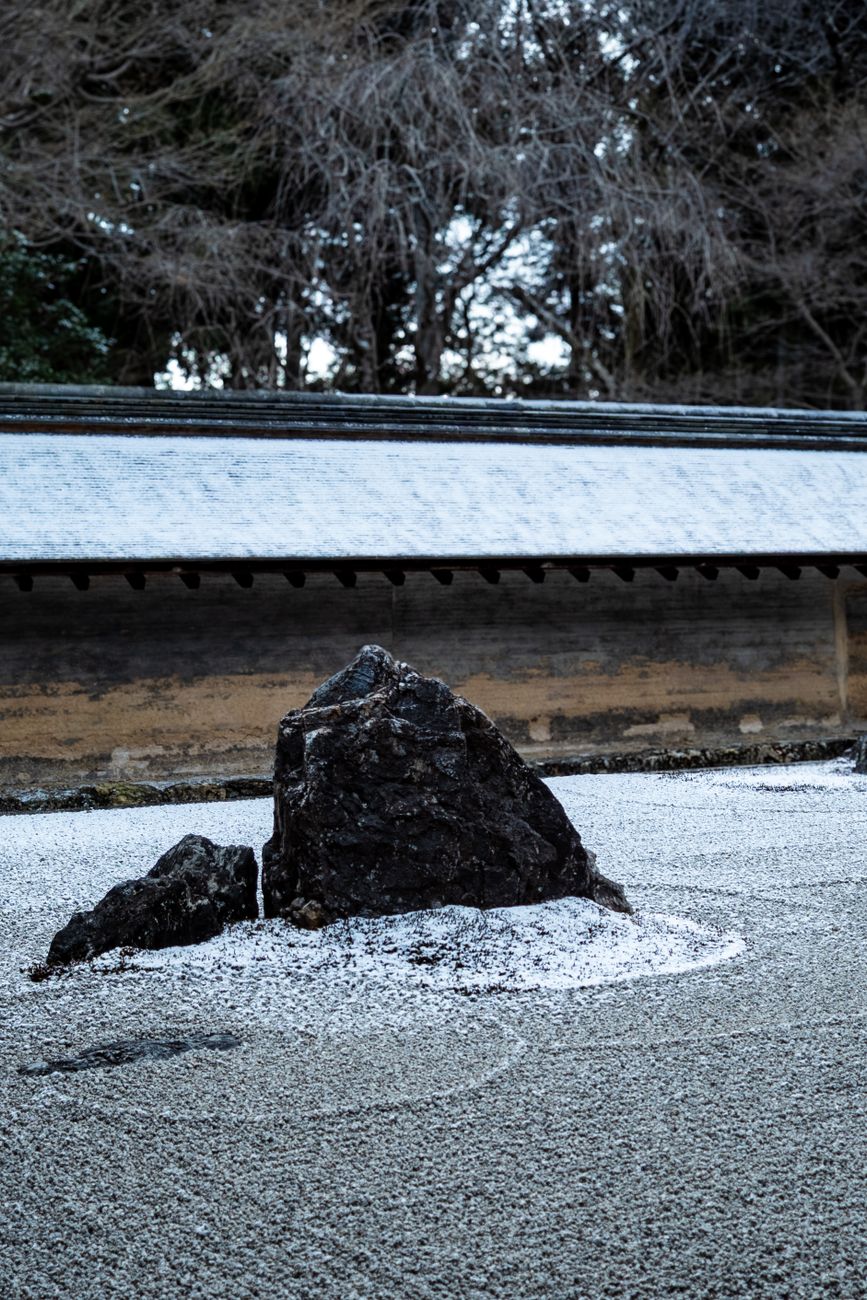 Temple gardens in southern Kyoto providing meditative respite.
2. Ritualized Attention: The Way of Tea
Entering an authentic tearoom requires ducking through a purposely diminutive doorway—the nijiriguchi. Designed during feudal times to compel samurai to remove swords and bow their heads, this portal asserts that inside the tearoom, worldly hierarchy dissolves into equal appreciation of hot water and leaf.
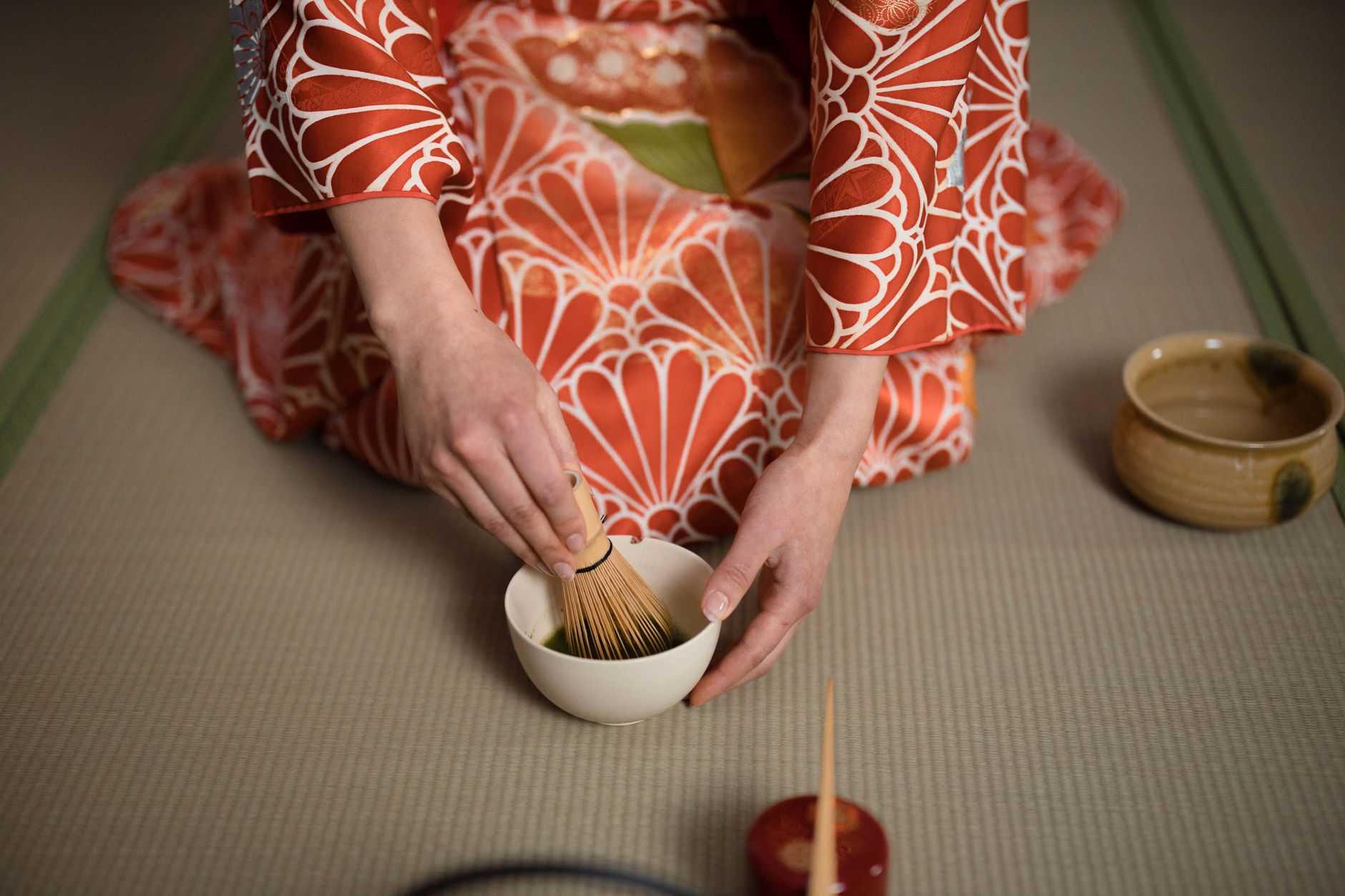
We observed forty-five minutes of deliberate silence as spring water was heated over charcoal, whisked in a handmade Raku bowl, and served with a single autumnal wagashi sweet.
3. Slow Stays in Restored Machiya
To fully assimilate the spirit of Kansai slow travel, we suggest staying in restored historic wooden townhouses known as machiya. With inner gardens (tsuboniwa), exposed cypress beams, and fragrant tatami flooring, these retreats ground weary travelers in timeless Japanese serenity.
Craving Culinary Travel in Asia?
Speak with our specialists to plan private tea garden appointments and ryokan bookings across Japan.